Unlocking the Secrets of Mood Stones: A Guide to Understanding Their Power
Mood stones have captivated people for centuries, offering a fascinating intersection between science, spirituality, and personal wellness. These remarkable gemstones and crystals have become increasingly popular in recent years as more individuals seek natural ways to understand their emotional states and enhance their overall well-being. Whether you're a seasoned crystal enthusiast or someone just beginning to explore the world of mood stones, this comprehensive guide will help you understand their origins, how they work, and how to incorporate them into your daily life.
Understanding Mood Stones: The Basics
Mood stones, also known as mood rings or mood crystals, are gemstones and minerals that are believed to change color in response to the wearer's emotional state and body temperature. The concept behind mood stones is rooted in the idea that our emotions directly influence our physical body, including our body temperature and energy levels. When we experience different emotions, our bodies respond with subtle physiological changes that these stones are said to detect and reflect through color shifts.
The most commonly recognized mood stone is the alexandrite, a rare and valuable gemstone that naturally changes color depending on the light source and temperature. However, the modern mood stone industry has expanded far beyond this single stone, incorporating various crystals and minerals that are believed to have mood-altering or mood-reflecting properties.
The History of Mood Stones
The history of mood stones is both fascinating and complex, spanning from ancient civilizations to modern times. Ancient cultures, including the Egyptians, Greeks, and Romans, attributed special powers to gemstones and crystals. They believed that different stones possessed unique energies that could influence human emotions and physical health.
The modern mood ring, however, was invented in the 1970s by two New York inventors, Joshua Reynolds and Maris Ambats. They created a ring with a heat-sensitive liquid crystal that changed colors based on body temperature fluctuations. This invention became a massive commercial success, introducing the concept of mood-responsive jewelry to mainstream consumers. The original mood rings used thermochromic liquid crystals that would shift through a spectrum of colors, with each color supposedly representing a different emotional state.
While the original mood rings were based on temperature sensitivity rather than actual emotional detection, they sparked a broader interest in the metaphysical properties of stones and crystals. This led to the development of a more holistic understanding of mood stones that incorporated both scientific principles and spiritual beliefs.
The Science Behind Mood Stones
Understanding the scientific basis of mood stones requires us to examine both the physical properties of the stones themselves and the physiological responses they're designed to measure. Modern mood stones typically operate on one of two principles: thermochromism or the placebo effect combined with the power of intention.
Thermochromic Properties
Thermochromic materials are substances that change color in response to temperature changes. The most well-known thermochromic mood stones use liquid crystals that shift through a color spectrum as temperature increases or decreases. These liquid crystals are sensitive to even minor temperature fluctuations, making them responsive to the subtle changes in body temperature that occur with emotional shifts.
When you experience stress, anxiety, or excitement, your body's sympathetic nervous system activates, causing blood vessels to constrict and your core body temperature to rise slightly. Conversely, when you're calm and relaxed, your parasympathetic nervous system dominates, causing blood vessels to dilate and your body temperature to drop slightly. These minute temperature changes are enough to trigger color shifts in thermochromic mood stones.
The color spectrum typically associated with mood stones follows this general pattern: dark blue or black represents a calm, relaxed state; green or blue-green indicates a normal, balanced emotional state; amber or yellow suggests mild stress or excitement; and red or orange represents high stress, anxiety, or intense emotions. However, it's important to note that these color associations are somewhat arbitrary and can vary depending on the specific stone and manufacturer.
The Placebo Effect and Intention
Beyond the thermochromic properties of certain stones, much of the perceived power of mood stones can be attributed to the placebo effect and the power of intention. The placebo effect is a well-documented phenomenon in which a person experiences a beneficial effect from a treatment that has no inherent therapeutic value. In the context of mood stones, simply believing that a stone can help you understand and manage your emotions can actually lead to improved emotional awareness and regulation.
When you wear a mood stone with the intention of becoming more emotionally aware, you naturally become more attuned to your emotional states. You might notice patterns in how the stone changes color throughout the day, which can prompt reflection on what triggered those emotional shifts. This increased self-awareness alone can be tremendously valuable for personal growth and emotional well-being.
Additionally, the ritual of wearing a mood stone can serve as a mindfulness practice. Taking a moment to check in with your mood stone throughout the day encourages you to pause and assess your emotional state, which is a fundamental component of emotional intelligence and mental health.
Popular Types of Mood Stones
The world of mood stones encompasses a wide variety of gemstones and crystals, each with its own unique properties and associations. Understanding the different types available can help you choose the stones that resonate most strongly with your personal needs and intentions.
Alexandrite
Alexandrite is perhaps the most famous mood stone, prized for its remarkable ability to change color naturally. This rare variety of chrysoberyl appears green or blue-green in daylight or fluorescent light, but shifts to red or pink under incandescent light. This color-changing property, known as pleochroism, occurs due to the presence of chromium impurities in the crystal structure.
Beyond its thermochromic properties, alexandrite is believed to enhance emotional balance, improve intuition, and promote self-esteem. Many people are drawn to alexandrite for its rarity and the genuine beauty of its natural color shifts. Wearing alexandrite is said to help you adapt to changing circumstances and embrace transformation with grace.
Amethyst
Amethyst is a purple variety of quartz that has been valued for thousands of years. While not technically a thermochromic stone, amethyst is widely believed to have powerful mood-enhancing properties. It's associated with calmness, spiritual awareness, and emotional balance. Many people use amethyst to reduce stress and anxiety, improve sleep quality, and enhance meditation practices.
The purple color of amethyst is thought to be particularly soothing to the nervous system. Wearing amethyst or keeping it in your bedroom is believed to promote peaceful sleep and protect against nightmares. For those seeking emotional stability and spiritual growth, amethyst is an excellent choice.
Rose Quartz
Rose quartz, with its gentle pink hue, is known as the stone of unconditional love. It's believed to promote self-love, compassion, and emotional healing. Rose quartz is particularly popular among those working through emotional trauma or seeking to improve their relationships. The soft, nurturing energy of rose quartz is said to open the heart chakra and facilitate emotional forgiveness and acceptance.
Many people keep rose quartz near their bed or carry it with them as a reminder to approach themselves and others with kindness and compassion. It's also commonly used in crystal healing practices and meditation.
Citrine
Citrine is a yellow to golden variety of quartz that's associated with positivity, abundance, and emotional clarity. It's believed to uplift mood, increase confidence, and attract prosperity. Citrine is often called the merchant's stone because it's thought to bring success and abundance to those who work with it.
For those struggling with depression or low self-esteem, citrine is said to provide an energetic boost and help shift perspective toward more positive thinking. Its warm, sunny color naturally evokes feelings of joy and optimism.
Turquoise
Turquoise is a blue-green stone that has been valued across many cultures for its protective and healing properties. It's believed to promote emotional balance, enhance communication, and provide protection against negative energy. Turquoise is particularly associated with the throat chakra, which governs self-expression and authentic communication.
Wearing turquoise is said to help you speak your truth with confidence and clarity. It's also believed to have calming properties that can help reduce anxiety and promote inner peace.
Obsidian
Black obsidian is a volcanic glass that's believed to have grounding and protective properties. It's often used to shield against negative energy and promote emotional stability. Obsidian is particularly valued by those who feel scattered or overwhelmed, as it's said to help you feel more centered and present.
The dark, reflective surface of obsidian is thought to help you see yourself clearly and confront difficult truths with courage. It's a stone for those seeking emotional clarity and the strength to face challenges.
How to Choose Your Mood Stone
Selecting the right mood stone is a deeply personal process that should take into account your individual needs, preferences, and intuitive responses. There's no single right choice; rather, the best mood stone for you is the one that resonates most strongly with your energy and intentions.
Listen to Your Intuition
When selecting a mood stone, trust your intuitive response. You might be drawn to a particular stone based on its color, texture, or the way it feels in your hand. This intuitive attraction is often a sign that the stone's energy aligns with what you need at that moment in your life. Don't overthink the selection process; instead, allow yourself to be guided by your gut feeling.
Consider Your Specific Needs
Think about what you're hoping to achieve by working with a mood stone. Are you seeking to reduce anxiety and stress? Do you want to enhance your emotional awareness? Are you looking to improve your relationships or boost your confidence? Different stones are associated with different properties, so identifying your primary intention can help guide your selection.
If you're primarily concerned with stress reduction, stones like amethyst, turquoise, or rose quartz might be ideal choices. If you're seeking to boost your mood and energy, citrine or sunstone might be more appropriate. For those working on emotional healing and self-love, rose quartz is an excellent option.
Quality and Authenticity
When purchasing mood stones, it's important to ensure you're getting authentic, high-quality stones. Unfortunately, the crystal market includes many counterfeit or treated stones that don't possess the properties of genuine crystals. Purchase from reputable dealers who can provide information about the origin and authenticity of their stones.
Pay attention to the appearance of the stone. Genuine crystals typically have natural variations in color and clarity. Be wary of stones that appear too perfect or uniformly colored, as these might be synthetic or heavily treated. A reputable seller should be able to provide details about how the stone was sourced and processed.
Size and Form
Mood stones come in various forms, including raw crystals, polished stones, jewelry, and decorative pieces. The form you choose depends on how you plan to use the stone. If you want to carry your mood stone with you throughout the day, a small polished stone or piece of jewelry might be ideal. If you're planning to use it in your home for decoration and energy work, a larger raw crystal or decorative piece might be more appropriate.
Consider your lifestyle and how you'll interact with the stone. Some people prefer to wear their mood stones as jewelry, while others like to keep them on their nightstands, desks, or meditation spaces. Choose a form that fits naturally into your daily routine.
Using Mood Stones in Your Daily Life
Once you've selected your mood stone, there are numerous ways to incorporate it into your daily life to maximize its benefits and deepen your connection with it.
Wearing Mood Stone Jewelry
One of the most popular ways to work with mood stones is to wear them as jewelry. Mood stone rings, necklaces, bracelets, and earrings keep the stone in close contact with your body throughout the day, allowing you to check in with your emotional state whenever you need to. The physical presence of the stone serves as a constant reminder of your intention to cultivate emotional awareness and balance.
When wearing mood stone jewelry, pay attention to how the stone's color changes throughout the day. Notice what activities, interactions, or thoughts trigger color shifts. Over time, you'll develop a deeper understanding of your emotional patterns and triggers. This awareness is the first step toward emotional regulation and personal growth.
Meditation and Mindfulness
Incorporating your mood stone into your meditation and mindfulness practice can deepen your emotional awareness and spiritual connection. Hold your mood stone in your hand or place it on your heart chakra while meditating. Focus on your breath and allow yourself to become aware of your emotional state without judgment.
As you meditate with your mood stone, you might notice subtle shifts in how you feel. Some people report experiencing a sense of calm, clarity, or emotional release when meditating with their stones. Whether these experiences are due to the stone's energy or your own focused intention, the benefits to your emotional well-being are real and valuable.
Creating a Sacred Space
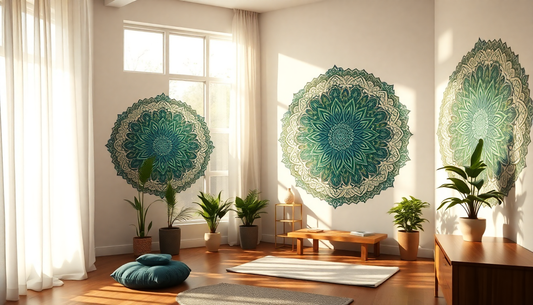
Designate a special area in your home as a sacred space for emotional work and self-reflection. Arrange your mood stones and other meaningful objects in this space to create an environment that supports your emotional well-being. This might be a corner of your bedroom, a shelf in your living room, or a dedicated meditation area.
Spend time in this space regularly, even if just for a few minutes each day. Use it as a place to check in with your emotions, journal about your feelings, or simply sit quietly with your mood stones. The act of creating and maintaining this sacred space reinforces your commitment to emotional awareness and self-care.
Journaling with Your Mood Stone
Keep a journal specifically for tracking your mood stone observations and emotional insights. Each day, note the colors your mood stone displayed, what emotions you were experiencing, and what circumstances might have influenced those emotions. Over time, you'll develop a comprehensive record of your emotional patterns and triggers.
This journaling practice serves multiple purposes. It deepens your connection with your mood stone, provides valuable data about your emotional patterns, and creates a tangible record of your emotional growth and development. Many people find that reviewing their journals reveals surprising patterns and insights about their emotional lives.
Gifting Mood Stones
Mood stones make meaningful gifts for loved ones. When giving a mood stone as a gift, take time to select one that you feel resonates with the recipient's energy and needs. Include a note explaining the properties of the stone and your intention in giving it. This personal touch transforms the gift from a simple object into a meaningful gesture of care and support.
The Spiritual and Metaphysical Aspects of Mood Stones
Beyond their scientific properties, mood stones hold significant spiritual and metaphysical importance for many people. Understanding these aspects can deepen your appreciation for these remarkable stones and enhance your work with them.
Chakra Alignment
In many spiritual traditions, particularly those influenced by Eastern philosophies, the body is believed to contain energy centers called chakras. Different stones are associated with different chakras, and working with these stones is believed to help balance and align your chakra system.
For example, rose quartz is associated with the heart chakra, which governs love and compassion. Amethyst is linked to the crown chakra, which represents spiritual connection and higher consciousness. Turquoise is associated with the throat chakra, which governs communication and self-expression. By working with mood stones that correspond to specific chakras, you can support the healing and balancing of your entire energy system.
Crystal Healing Traditions
Crystal healing is an ancient practice that appears in many cultures throughout history. From the Egyptians to the Native Americans, indigenous peoples have used crystals and stones for healing and spiritual purposes. Modern crystal healing draws on these ancient traditions while incorporating contemporary understanding of energy and consciousness.
In crystal healing, stones are believed to emit subtle vibrations that can influence human energy fields and promote healing on physical, emotional, and spiritual levels. While scientific evidence for these claims is limited, many people report experiencing profound healing and transformation through working with crystals. Whether the benefits are due to the stones' inherent properties or the power of belief and intention, the results can be genuinely transformative.
Energy and Vibration
Many spiritual practitioners believe that everything in the universe, including crystals and human beings, vibrates at specific frequencies. According to this perspective, different stones vibrate at different frequencies, and when you work with a stone whose vibration matches your intention, you can amplify and accelerate the manifestation of that intention.
This concept of vibrational alignment suggests that by choosing mood stones that resonate with your desired emotional state, you can gradually shift your own vibration toward that state. Over time, this shift in vibration can lead to lasting changes in your emotional patterns and overall well-being.
Intention Setting with Mood Stones
One of the most powerful ways to work with mood stones is through intentional practice. Before you begin wearing or working with a mood stone, take time to set a clear intention. This might be something like, I intend to cultivate emotional awareness and balance, or I open my heart to love and compassion.
Hold your mood stone in your hands, close your eyes, and visualize your intention as already being true. Feel the emotions associated with achieving this intention. Infuse your stone with this intention through your focused attention and emotional energy. From that point forward, your mood stone becomes a physical anchor for your intention, reminding you of your commitment to personal growth and emotional well-being.
Common Misconceptions About Mood Stones
As with many alternative wellness practices, mood stones are surrounded by various misconceptions and myths. Understanding the truth behind these misconceptions can help you develop a more balanced and realistic perspective on what mood stones can and cannot do.
Misconception One: Mood Stones Can Diagnose Mental Health Conditions
While mood stones can help you become more aware of your emotional states, they cannot diagnose mental health conditions or replace professional mental health treatment. If you're struggling with depression, anxiety, or other mental health concerns, it's essential to seek help from a qualified mental health professional. Mood stones can be a complementary tool in your wellness